
MT105 – Basic Music Theory 5 – Timbre
LESSON OUTCOMES
- What is Timbre?
- Factors that affect Timbre
- Descriptions of Timbre
What is Timbre?
The colour or quality of a tone
Tone color, also known as timbre, is the quality of a sound that is not characterized as frequency (pitch), duration (rhythm), or amplitude (volume
Tone colour is what allows a listener to identify a sound as being produced by a specific instrument, and to differentiate between instruments of the same type.
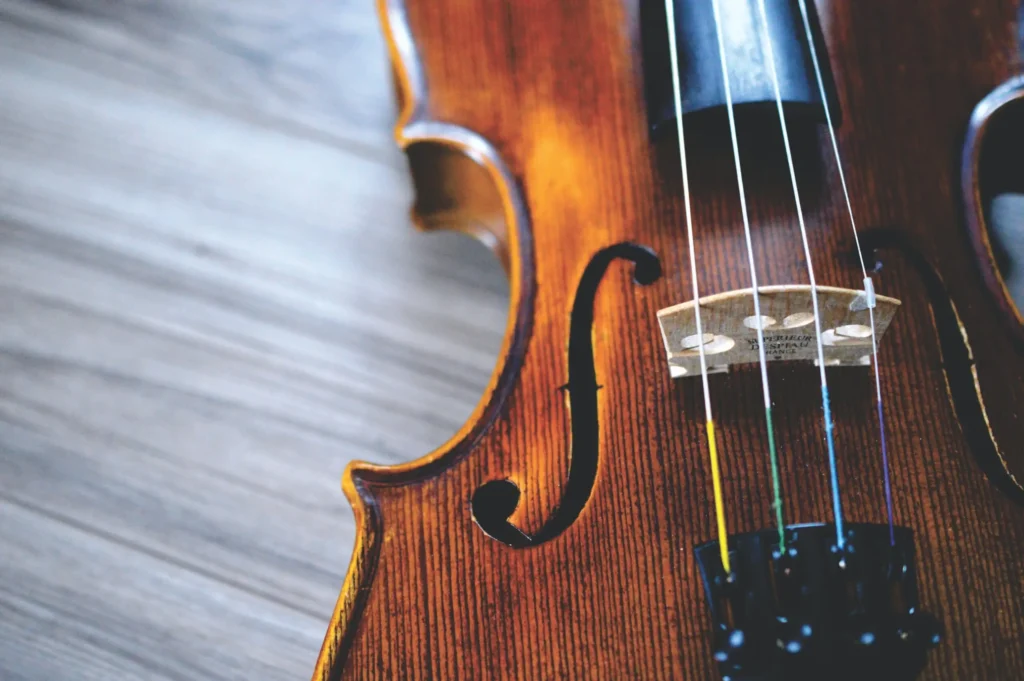
For instance, a trumpet sounds quite different from a violin, even if they play a tone at the same frequency, amplitude, and for the same duration.
However, one violin may also sound audibly different from another violin.
The more developed your ear is, the more you would be able to distinguish between similar various voices or instruments
Basic Factors that Affect Timbre
- Forced air
- Breath control
- Posture
General descriptions of Timbre
- Shrill
- Sharp
- Thin
- Raspy
- Dry
- Rigid
- Intense
- Coarse
- Rough
- Raucous
- Hoarse
- Muddy
- Pure
- Transparent
- Bright
- Clear
- Silvery
- Slim
- Plump
- Full
- Mellow
- Soft
- Warm
- Fruity
- Consonant
- Rich
- Thick
- Heavy
- Vigorous
- Deep
- Dark
- Hollow
God Keeps His Covenants
Genesis 9:16
16 And the bow shall be in the cloud; and I will look upon it, that I may remember the everlasting covenant between God and every living creature of all flesh that is upon the earth.
If you covenant with God concerning your singing or playing in accordance with His will, He will be faithful to perform…